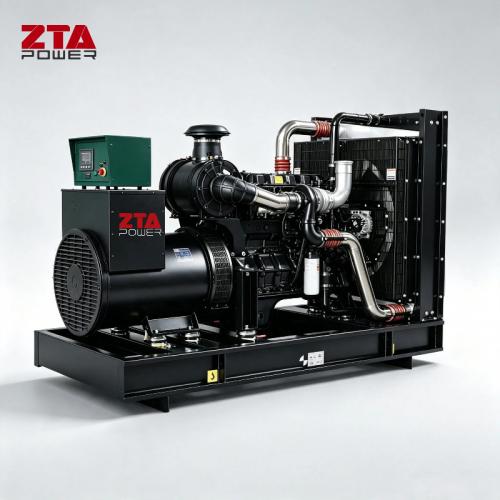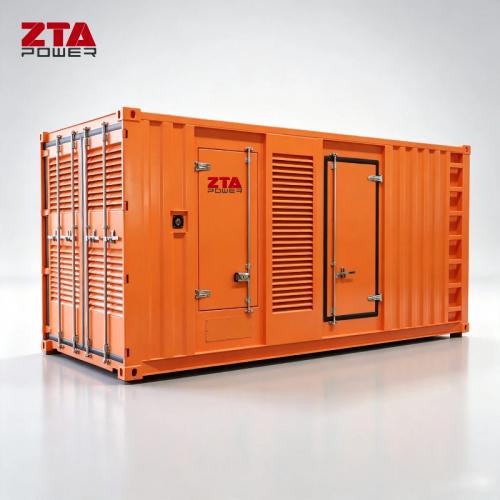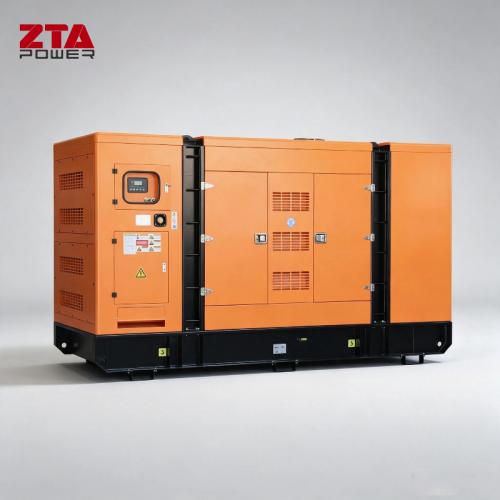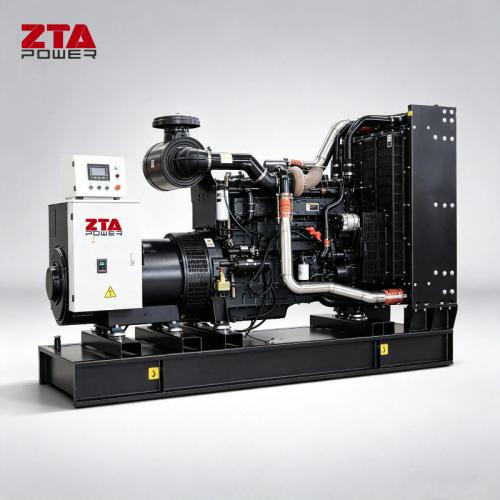
Máy phát điện diesel Cummins hoạt động đáng tin cậy như thế nào trong điều kiện thời tiết khắc nghiệt?
Khi cơ sở của bạn phụ thuộc vào... máy phát điện diesel Đối với nguồn điện dự phòng hoặc nguồn điện chính, độ tin cậy không phải là điều tùy chọn — mà là điều tối quan trọng. Từ mùa đông dưới 0 độ C đến mùa hè nóng như thiêu đốt ở sa mạc, và từ cao nguyên đến vùng ven biển phủ đầy hơi muối, Máy phát điện diesel Cummins Được thiết kế để mang lại hiệu suất ổn định ngay cả trong điều kiện khắc nghiệt mà các giải pháp năng lượng khác gặp phải. Bài viết này sẽ đi sâu vào cách các tổ máy phát điện Cummins duy trì độ tin cậy vượt trội trong những điều kiện môi trường khắc nghiệt nhất, và những công nghệ nào đã giúp điều đó trở thành hiện thực.
|
Điều kiện cực đoan |
Ưu thế của Cummins |
|
Cực lạnh (−40 °C đến −10 °C) |
Công nghệ khởi động nguội; bộ phận sưởi và bugi sấy; chất bôi trơn nhiệt độ thấp; được đánh giá hoạt động ở tải trọng tối đa ở -40 °C. |
|
Nhiệt độ cực cao (40 °C đến 50 °C) |
Làm mát bằng chất lỏng hiệu quả cao; tối ưu hóa quá trình đốt cháy; hoạt động liên tục ở nhiệt độ môi trường 50 °C. |
|
Độ cao lớn (≥3000 m) |
Tăng áp và làm mát sau; tổn thất công suất ≤10% ở độ cao 4000 m; thiết kế cửa hút gió chống bụi. |
|
Bão bụi và bão cát |
Hệ thống lọc khí nhiều tầng; vỏ kín; linh kiện chống ăn mòn |
|
Khu vực ẩm ướt / Khu vực có hơi muối |
Lớp phủ chống ăn mòn; cách điện nâng cao; hệ thống điện kín. |
Thời tiết lạnh là một trong những mối đe dọa phổ biến nhất đối với nguồn điện dự phòng Độ tin cậy. Khi nhiệt độ giảm mạnh, việc khởi động động cơ diesel trở nên khó khăn hơn đáng kể — tuy nhiên, máy phát điện Cummins được chế tạo để khởi động và hoạt động trong điều kiện mùa đông khắc nghiệt nhất.
Ở nhiệt độ thấp, độ nhớt của nhiên liệu diesel tăng lên đáng kể, khiến quá trình phun sương qua hệ thống phun trở nên khó khăn và ngăn cản sự hình thành hỗn hợp cháy thích hợp. Đồng thời, dầu động cơ cũng đặc lại, làm tăng sức cản cơ học bên trong. Cummins giải quyết những thách thức này bằng một gói khởi động lạnh tích hợp:
• Bộ sưởi khối động cơ và bộ sưởi nước làm mát giúp duy trì nhiệt độ khởi động tối ưu ngay cả ở -40 °C.
• Bugia sấy và bộ phận làm nóng sơ bộ không khí nạp đảm bảo đánh lửa đáng tin cậy trong điều kiện giá lạnh.
• Dầu bôi trơn tổng hợp nhiệt độ thấp, duy trì độ lỏng và bảo vệ các bộ phận khỏi mài mòn trong quá trình khởi động nguội.
• Bộ sưởi ắc quy và mô tơ khởi động công suất lớn được thiết kế để khởi động đáng tin cậy ngay cả trong điều kiện cực lạnh.
Mặc dù không khí lạnh đặc hơn và về mặt lý thuyết cho phép nhiều oxy hơn vào buồng đốt, nhưng việc phun nhiên liệu kém ở nhiệt độ thấp có thể dẫn đến quá trình đốt cháy không hoàn toàn và giảm công suất đầu ra. Thêm vào đó, điện trở của cuộn dây máy phát điện tăng lên trong điều kiện lạnh, gây ra tổn thất điện năng bổ sung. Hệ thống phun nhiên liệu tiên tiến và các mô-đun điều khiển điện tử (ECM) của Cummins liên tục tối ưu hóa tỷ lệ không khí-nhiên liệu để giảm thiểu những ảnh hưởng này, đảm bảo cung cấp điện năng ổn định ngay cả trong điều kiện cực lạnh.
Dung lượng pin giảm đáng kể trong thời tiết lạnh — độ nhớt của chất điện phân tăng, tốc độ phản ứng hóa học chậm lại và điện trở trong tăng lên. Cummins khuyến nghị sử dụng pin có CCA (dòng khởi động lạnh) cao cho các hệ thống lắp đặt ở vùng khí hậu lạnh, kết hợp với hệ thống giám sát pin thông minh giúp cảnh báo người vận hành trước khi dung lượng giảm xuống dưới ngưỡng khởi động an toàn.
Nhiệt độ môi trường cao đặt ra những thách thức khác nhau đối với máy phát điện diesel Quá nhiệt, giảm công suất và lão hóa linh kiện nhanh hơn đều là những rủi ro thực tế — nhưng hệ thống quản lý nhiệt của Cummins được thiết kế để giữ cho mọi thứ hoạt động mát mẻ.
Trong điều kiện nhiệt độ cực cao, chênh lệch nhiệt độ giữa động cơ và không khí xung quanh giảm xuống, làm giảm hiệu quả của hệ thống làm mát. Cummins trang bị cho các tổ máy phát điện của mình bộ tản nhiệt làm mát bằng chất lỏng cỡ lớn, quạt công suất cao và đường dẫn dòng chất làm mát được tối ưu hóa để tối đa hóa khả năng tản nhiệt. Một số mẫu được đánh giá có thể hoạt động liên tục ở tải trọng tối đa ở nhiệt độ môi trường lên đến 50 °C mà không cần giảm công suất.
Không khí nóng có mật độ thấp hơn, nghĩa là mỗi chu kỳ nạp sẽ hút ít phân tử oxy hơn vào xi-lanh. Điều này có thể dẫn đến quá trình đốt cháy không hoàn toàn và giảm công suất. Hệ thống điều khiển động cơ (ECM) của Cummins tự động điều chỉnh thời điểm phun và lượng nhiên liệu cung cấp để bù đắp cho mật độ không khí giảm, trong khi hệ thống tăng áp đẩy nhiều không khí hơn vào xi-lanh để duy trì công suất định mức. Trong trường hợp cực đoan, bộ làm mát khí nạp (intercooler) sẽ làm giảm nhiệt độ của không khí nạp đã được nén, giúp cải thiện hơn nữa mật độ khí nạp và hiệu quả đốt cháy.
Việc vận hành ở nhiệt độ cao trong thời gian dài sẽ đẩy nhanh quá trình lão hóa của các ống cao su, dây đai, gioăng và lớp cách điện. Độ nhớt của dầu giảm, làm giảm hiệu quả bôi trơn và tăng mài mòn. Cummins giảm thiểu những rủi ro này bằng các vật liệu chịu nhiệt, bộ làm mát dầu cỡ lớn và các khoảng thời gian bảo dưỡng được khuyến nghị phù hợp với điều kiện khí hậu nóng. Người vận hành nên đặc biệt chú ý đến tình trạng nước làm mát, độ căng dây đai và khoảng thời gian thay dầu trong môi trường sa mạc và nhiệt đới.
Ở độ cao lớn, mật độ không khí và nồng độ oxy giảm, tạo ra ba mối đe dọa đối với động cơ diesel: hiệu suất đốt cháy giảm, khả năng làm mát kém và lớp cách điện bị suy giảm. Theo nguyên tắc chung, một động cơ diesel chưa được cải tiến sẽ mất khoảng 10–15% công suất định mức cho mỗi 1.000 m tăng độ cao so với mực nước biển.
Các tổ máy phát điện vùng cao của Cummins sử dụng bộ tăng áp và bộ làm mát sau để bù lại không khí loãng. Bằng cách nén khí nạp, bộ tăng áp đẩy nhiều oxy hơn vào mỗi xi-lanh, khôi phục công suất đầu ra gần bằng hiệu suất ở mực nước biển. Bộ làm mát sau làm giảm nhiệt độ của không khí nén, cải thiện hơn nữa mật độ khí nạp và hiệu suất đốt cháy. Các mẫu máy chuyên dụng cho vùng cao được đánh giá có khả năng duy trì tổn thất công suất không quá 10% ở độ cao lên đến 4.000 m.
Áp suất khí quyển thấp hơn ở độ cao làm giảm điểm sôi của chất làm mát và làm suy yếu khả năng tản nhiệt của hệ thống làm mát. Mật độ không khí thấp cũng làm giảm độ bền điện môi của khe hở không khí xung quanh cuộn dây máy phát điện, làm tăng nguy cơ phóng điện hồ quang và hỏng cách điện. Cummins giải quyết những vấn đề này bằng hệ thống làm mát áp suất, bộ tản nhiệt quá khổ và lớp cách điện cuộn dây được tăng cường, phù hợp với điều kiện hoạt động ở độ cao.
Trong điều kiện không khí loãng, tốc độ cháy chậm lại, và người vận hành có thể bị cám dỗ tăng tỷ số nén để duy trì công suất. Điều này làm tăng nguy cơ kích nổ động cơ, có thể gây hư hỏng nghiêm trọng cho piston và xi lanh. Hệ thống điều khiển động cơ (ECM) của Cummins giám sát áp suất xi lanh và các thông số đốt cháy trong thời gian thực, tự động điều chỉnh thời điểm phun nhiên liệu và áp suất tăng áp để ngăn ngừa kích nổ đồng thời tối đa hóa công suất khả dụng.
Tại các vùng khô hạn và bán khô hạn, bão cát và bụi trong không khí là mối đe dọa thường trực đối với bất kỳ hệ thống cơ khí nào. Ví dụ, máy phát điện diesel dự phòng Đối với những hệ thống cần khởi động khẩn cấp, bộ lọc gió bị tắc hoặc linh kiện bị hư hại do cát có thể tạo nên sự khác biệt giữa việc khởi động khẩn cấp thành công và một sự cố tốn kém.
Cummins chỉ định các hệ thống lọc khí đa tầng, chịu tải nặng cho các hệ thống dễ phát sinh bụi. Bộ lọc sơ cấp loại bỏ phần lớn các hạt lớn trước khi không khí đến bộ lọc chính, kéo dài tuổi thọ của bộ lọc. Bộ lọc chính giữ lại các hạt mịn, nếu không chúng sẽ xâm nhập vào buồng đốt và gây mài mòn nhanh vòng piston, xi lanh và van. Bộ chỉ báo áp suất chênh lệch cảnh báo người vận hành khi cần thay thế bộ lọc.
Bụi và cát tích tụ trên các lá tản nhiệt làm giảm đáng kể khả năng tản nhiệt, dẫn đến quá nhiệt và có thể gây hư hỏng động cơ. Cummins cung cấp các tấm chắn bảo vệ tản nhiệt và hệ thống quạt đảo chiều giúp thổi sạch bụi bẩn khỏi bề mặt làm mát định kỳ. Thiết kế máy phát điện kín giúp bảo vệ các bộ phận bên trong khỏi các hạt bụi trong không khí.
Đối với môi trường cực kỳ nhiều bụi, Cummins cung cấp các tùy chọn vỏ bọc chống chịu thời tiết và chống bụi (IP54 trở lên) giúp bảo vệ các bộ phận cơ khí và điện quan trọng của máy phát điện. Các vỏ bọc này có các đường dẫn khí dạng mê cung và áp suất dương bên trong để ngăn bụi xâm nhập trong khi vẫn đảm bảo thông gió đầy đủ.
Các công trình ven biển và giàn khoan ngoài khơi phải đối mặt với một kẻ thù không đội trời chung: hơi ẩm chứa muối. Các ion clorua trong hơi muối ăn mòn kim loại mạnh mẽ, làm suy giảm chất cách điện và làm ô nhiễm chất bôi trơn. Một giải pháp đáng tin cậy máy phát điện diesel dùng cho khu vực ven biển Phải được thiết kế đặc biệt để chịu được những điều kiện này.
Độ ẩm cao làm giảm điện trở suất bề mặt của vật liệu cách điện, làm tăng nguy cơ phóng điện bề mặt, dòng rò và ngắn mạch. Muối biển càng làm trầm trọng thêm vấn đề bằng cách lắng đọng cặn dẫn điện trên các đầu nối và mối nối. Cummins sử dụng vật liệu cách điện cấp hàng hải cho cuộn dây máy phát điện, hộp nối kín và khối đầu nối chống ăn mòn. Bộ gia nhiệt chống ngưng tụ giữ nhiệt độ bên trong cao hơn điểm sương khi máy phát điện ở chế độ chờ, ngăn ngừa sự tích tụ hơi ẩm bên trong máy phát điện xoay chiều và bảng điều khiển.
Tất cả các bề mặt kim loại tiếp xúc — bao gồm khối động cơ, vỏ máy phát điện, ốc vít và phụ kiện lắp đặt — đều được xử lý bằng hệ thống lớp phủ chống ăn mòn nhiều lớp. Các bộ phận mạ kẽm hoặc thép không gỉ được chỉ định cho các yếu tố kết cấu và liên kết quan trọng. Vỏ bọc được phủ sơn tĩnh điện tạo thêm một lớp chắn chống lại không khí và hơi muối.
Độ ẩm làm tăng tốc quá trình oxy hóa dầu và có thể đưa muối vào khoang trục khuỷu, làm giảm hiệu suất chất bôi trơn và đẩy nhanh quá trình mài mòn ổ trục. Cummins khuyến nghị sử dụng các công thức dầu chống ẩm và phân tích dầu thường xuyên hơn đối với các công trình ven biển. Bộ thông hơi khoang trục khuỷu có bộ tách ẩm giúp ngăn nước xâm nhập trong quá trình hoạt động và khi ở chế độ chờ.
Từ vùng lãnh nguyên băng giá đến sa mạc thiêu đốt, từ cao nguyên núi cao đến môi trường ven biển ăn mòn, Bộ máy phát điện diesel Cummins Được thiết kế để cung cấp nguồn điện đáng tin cậy khi cần thiết nhất. Sự kết hợp của các công nghệ tiên tiến — bao gồm điều khiển điện tử thông minh, quản lý nhiệt mạnh mẽ, tăng áp, lọc đa tầng và vật liệu chống ăn mòn — đảm bảo rằng máy phát điện Cummins đáp ứng và vượt quá yêu cầu của các môi trường hoạt động khắc nghiệt nhất trên thế giới.
Cho dù bạn đang chỉ định nguồn điện dự phòng cho trung tâm dữ liệu , MỘT máy phát điện dự phòng cho bệnh viện hoặc một Giải pháp nguồn điện chính cho hoạt động khai thác mỏ ở vùng sâu vùng xa. Cummins có bộ máy phát điện được đánh giá phù hợp với điều kiện môi trường cụ thể của bạn. Đừng để thời tiết khắc nghiệt ảnh hưởng đến độ tin cậy của nguồn điện — hãy chọn giải pháp được thiết kế để hoạt động hiệu quả, bất kể thiên nhiên có khắc nghiệt đến đâu.
────────────────────────
Bạn cần máy phát điện diesel phù hợp với môi trường làm việc của mình?
Hãy liên hệ với đội ngũ của chúng tôi ngay hôm nay để được tư vấn chuyên nghiệp về việc lựa chọn bộ máy phát điện Cummins phù hợp với ứng dụng của bạn.
Hỏi: Máy phát điện diesel Cummins có thể khởi động ở nhiệt độ -40 °C không?
A: Có. Cummins cung cấp các gói khởi động lạnh bao gồm bộ sưởi khối động cơ, bugi sấy, bộ sưởi sơ bộ đường nạp và bộ sưởi ắc quy, cho phép khởi động đáng tin cậy ở nhiệt độ thấp tới -40 °C. Việc bảo dưỡng đúng cách cho mùa đông và các phụ kiện dành cho khí hậu lạnh là rất cần thiết để đạt được hiệu suất này.
Hỏi: Máy phát điện diesel bị hao hụt bao nhiêu công suất khi hoạt động ở độ cao lớn?
A: Một động cơ diesel nguyên bản thường mất 10–15% công suất định mức cho mỗi 1.000 m so với mực nước biển. Các mẫu động cơ tăng áp và làm mát sau của Cummins dành cho vùng cao có thể giảm tổn thất này xuống ≤10% ở độ cao lên đến 4.000 m.
Hỏi: Máy phát điện diesel cần bảo dưỡng những gì trong môi trường nhiều bụi?
A: Các ưu tiên bảo trì quan trọng bao gồm kiểm tra và thay thế bộ lọc gió thường xuyên hơn, vệ sinh bộ tản nhiệt và phân tích dầu. Bộ lọc sơ cấp nhiều tầng và vỏ bọc kín bụi (IP54+) giúp giảm đáng kể gánh nặng bảo trì.
Hỏi: Máy phát điện Cummins có phù hợp cho các công trình ven biển và ngoài khơi không?
A: Chắc chắn rồi. Cummins cung cấp các bộ máy phát điện chuyên dụng cho môi trường biển và ven biển với khả năng chống ăn mòn được nâng cao, hệ thống điện kín, bộ phận gia nhiệt chống ngưng tụ và lớp phủ chống muối được thiết kế đặc biệt cho môi trường phun muối.
Hỏi: Nhiệt độ môi trường tối đa mà máy phát điện diesel Cummins có thể hoạt động là bao nhiêu?
A: Tùy thuộc vào kiểu máy và cấu hình làm mát, nhiều tổ máy phát điện Cummins được đánh giá có khả năng hoạt động liên tục ở tải tối đa ở nhiệt độ môi trường lên đến 50 °C (122 °F). Vui lòng tham khảo bảng dữ liệu kỹ thuật của từng kiểu máy cụ thể để biết đường cong giảm công suất.

 Mạng IPv6 được hỗ trợ
 English
 français
 русский
 español
 português
 العربية
 Türkçe
 ไทย
ไทย Tiếng Việt
 Indonesia
  Filipino