Reefer Generator Guide: Keeping Cold Chain Cargo Powered On Road and at Sea
A reefer container is only as reliable as the generator behind it. This guide explains how refrigerated gensets work on highways and on ships, how to size one, and why automatic mains failure (AMF) control has become the standard for cold chain operators.
A reefer generator supplies 440–460 V, 60 Hz power to refrigerated containers when the truck engine or shore supply cannot. Land transport uses undermount and clip-on gensets in the 15–35 kW range; ocean transport uses larger diesel generator sets that power whole reefer racks. The critical feature on every modern unit is AMF control — automatic start, load transfer and shutdown without an operator — because a silent genset during a power failure is exactly how a $100,000 frozen cargo load is lost.
Refrigerated cargo — frozen meat, seafood, dairy, pharmaceuticals, fresh produce — tolerates almost no temperature excursion. A reefer compressor drawing 8–12 kW at 460 V is small by generator standards, but it is inductive and compressor-driven: it demands stable voltage, clean frequency and enough starting headroom. When the truck engine idles down or the ship's shore converter drops out, the genset must pick up the load in seconds, not minutes.
That is why cold chain operators specify generator sets differently from standby units for buildings. A reefer genset runs for days at a time, outdoors, in salt air or desert heat, often supervised by nobody. Reliability metrics — mean time between failures, fuel autonomy at full load, cold-start capability — matter more than headline price.
The engineering numbers behind every refrigerated trailer generator decision:
| Fact | Value | Why It Matters for Sizing |
|---|---|---|
| Reefer compressor running load | 8–12 kW per 40 ft container | Baseline for genset output at 460 V / 60 Hz |
| Compressor inrush current | 2–3 × running current | Genset needs 20%+ headroom or voltage dips trip the container alarm |
| Setpoint range (ISO reefer machinery) | −30 °C to +30 °C | Frozen cargo at −25 °C tolerates far less drift than chilled produce |
| Under-slug genset fuel burn | 4–5 L/h at 75% load | Route planning: a 100 L tank covers an overnight run with reserve |
| Safe excursion window | ≈45 minutes without power | The practical deadline an AMF generator set must beat — every time |
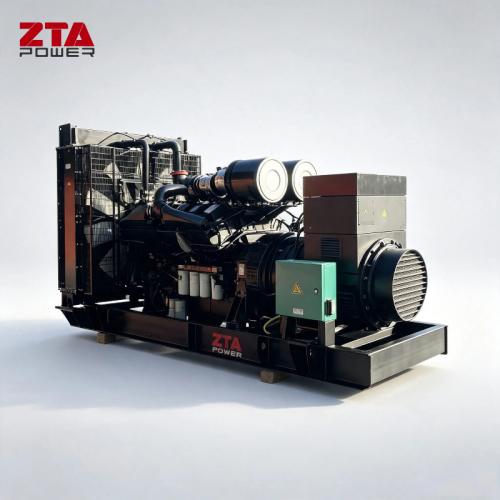
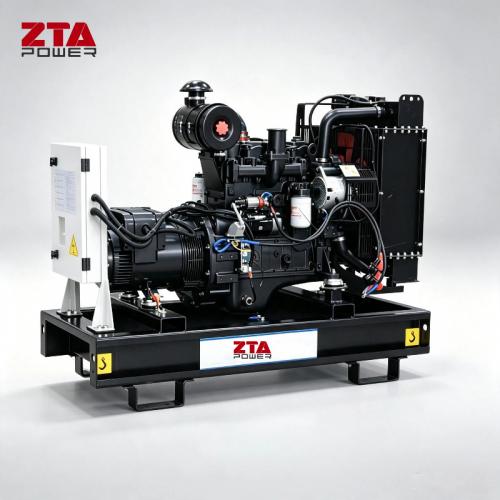
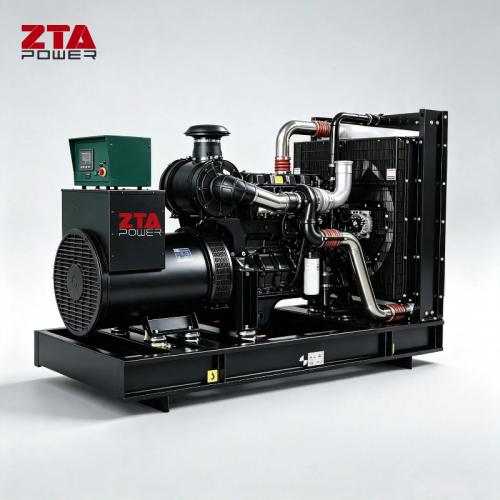
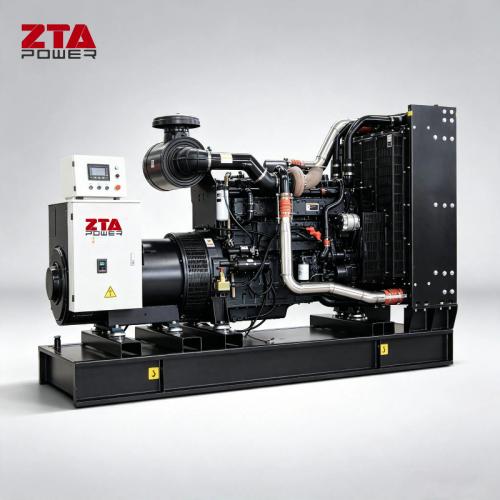
Road transport uses two mounting formats. An under-slug reefer generator set powered by Perkins 404D-22G mounts behind the truck cab or under the trailer nose, driven by its own diesel engine — it keeps cooling independent of the truck, which is the preferred setup for long-haul frozen cargo. A 15 kW clip-on reefer container generator powered by Mitsubishi bolts onto the container's front frame in minutes, ideal for rental fleets that move units between trailers.
Typical sizing for road units:
| Configuration | Rated Power | Best Suited For |
|---|---|---|
| Under-slug genset, own engine (e.g. Perkins 404D-22G powered) | 15–25 kW | Dedicated reefer trailers, long-haul frozen transport |
| Clip-on genset | 15–35 kW | Rental fleets, mixed cargo, quick swap between units |
| Truck-engine-driven alternator | 10–20 kW | Short regional runs where fuel cost dominates |
Whichever format you choose, verify the genset carries 460 V / 60 Hz output, a deep-sea rated enclosure (IP56 class) and at least 20% spare capacity above the compressor's running load — reefer units pull 2–3× running current at compressor start.
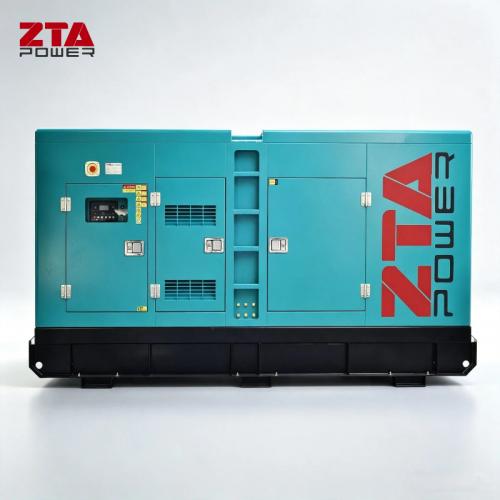
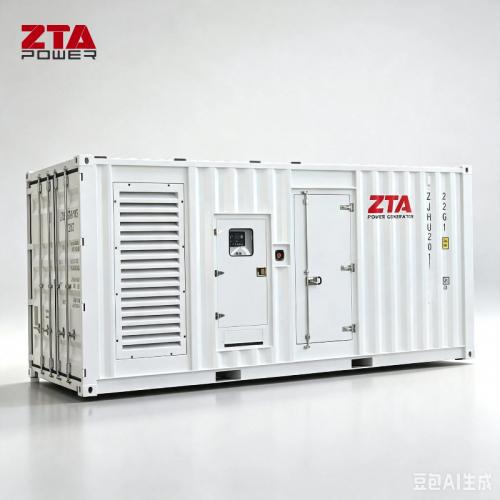
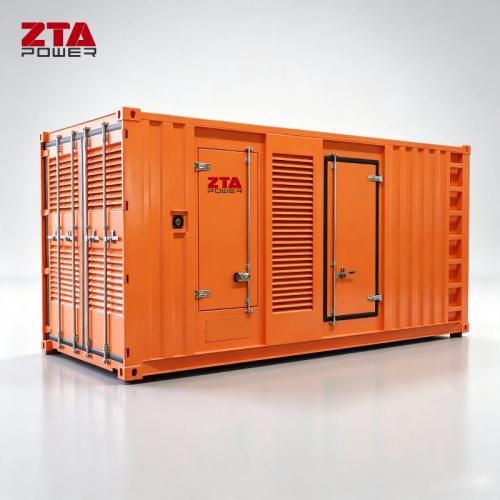
On vessels, reefer containers normally plug into the ship's own power grid through the engine room's converters. The generator risk shifts to two moments: port stays without shore power, and main engine blackouts. Ports across Africa, South Asia and Latin America frequently lack reliable 440 V shore supply, so shipping lines charter portable diesel generator sets — often synchronized silent sets from 100 to 500 kVA — to feed reefer racks alongside.
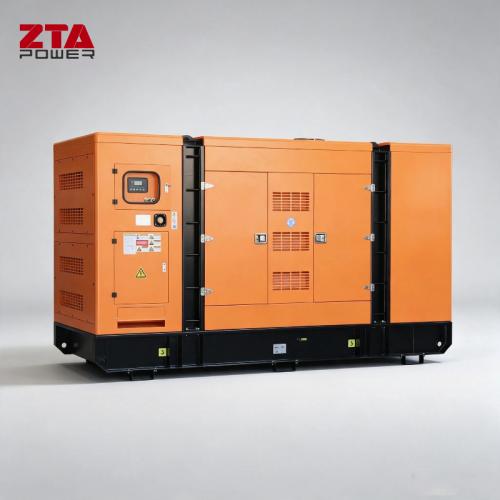
These harbor sets differ from land standby units in three ways: they must run 24/7 for weeks (specify PRP, not standby ratings), they must tolerate salt-humidity corrosion (marine-grade alternator insulation and coated steel canopies), and they should support synchronization so two smaller sets can share the reefer load and one can be serviced without shutting the cold chain down.
An AMF generator set monitors the mains (or shore) supply continuously. When voltage falls outside limits, the controller — typically a DSE or ComAp module — starts the diesel engine, closes the generator breaker, carries the load, and shuts everything down again when mains power returns. No operator touches anything. For a cold chain application this is not a luxury: a reefer container left without power for 45 minutes can breach the cold chain record, void insurance and destroy the cargo value.
AMF control differs from a plain ATS (automatic transfer switch) installation. An ATS only switches the load; an AMF system includes the start/stop sequencing of the engine itself, warm-up, load acceptance, cooldown and return-to-mains logic. In practice, a complete AMF package for a reefer genset includes:
| Component | Function in Cold Chain Service |
|---|---|
| AMF controller (DSE7320 / ComAp InteliGen class) | Watches mains voltage, starts engine, manages load transfer and cooldown |
| Battery charger & starting batteries | Keeps the set ready to crank after weeks of standby — the No.1 failure point in real operations |
| Fuel system with water separator | Protects injection equipment during long unattended runs |
| Remote monitoring gateway | Alerts the fleet manager if the set fails to start or the container temperature drifts |
Rule 1 — Size for compressor start, not running load. A 10 kW running load needs a genset with headroom for inrush current; in practice most single-container road applications land at 15–20 kW, and multi-rack harbor power at 100 kVA and up.
Rule 2 — Size the fuel tank for the route, not the day. Fuel autonomy at 75% load should cover the longest planned leg plus 30% reserve. An under-slug set burning 4–5 L/h needs roughly 100 L to cover a full overnight run with margin.
Rule 3 — Match voltage and frequency to the container, not the country. Reefer machinery is built to ISO 1496: 460 V, 60 Hz, three-phase. A genset set to 400 V/50 Hz will run the compressor out of spec, trip alarms, and shorten compressor life — this is the most common specification error we see in buyer enquiries.
Cold chain gensets fail in predictable ways: flat starting batteries after long standby, clogged fuel filters from contaminated diesel, corroded connectors in salt air, and controllers with dead backup batteries losing their AMF settings. A practical regime for operators: weekly — run the set 15 minutes under load and check battery voltage; monthly — test a full simulated mains-failure sequence; quarterly — replace fuel filters, torque electrical terminations, and download the controller event log. Every event log entry is also evidence for insurance claims, so keep records digitally.
A Southeast Asian fruit exporter we worked with ships chilled bananas through a port where shore supply fails several times a week — and each failure meant a full rack of reefer plugs going dark. The fix we engineered for their terminal: two 250 kVA silent diesel generator sets running in synchronization, controlled in AMF mode, feeding the reefer yard during outages and port stays.
The configuration, and why each choice was made:
| Decision | Specification | Reason |
|---|---|---|
| Two synchronized sets, not one large set | 2 × 250 kVA PRP, Cummins powered | Load sharing at part load saves fuel; one set can be serviced without killing the cold chain |
| AMF controllers with remote monitoring | DSE modules + 4G gateway | Terminal staff are notified of start failure or temperature drift in minutes, not at the next morning inspection |
| PRP rating, not standby | 70% load averaging | Outages hit daily; standby-rated sets are not built for that duty cycle |
| Coated canopies + marine-grade alternator | IP56, salt-humidity protection | Tropical port air corrodes standard enclosures within a year |
Results after the first season, as reported by the operator: zero cargo claims attributable to power loss, genset fuel consumption within 3% of the calculated 52 L/day at average load, and an automatic transfer time under 15 seconds from mains failure to full reefer load. The lesson that transfers to any cold chain generator set project: the controller and battery system fail far more often than the engine — budget for them accordingly.
Case figures are from a real ZTA Power port project; site names are withheld for commercial confidentiality.
What size generator do I need for one reefer container?
For a single 40 ft reefer container, plan for 15–20 kW of generator output: the compressor runs around 8–12 kW but draws two to three times that at start. Harbor installations powering 10–40 containers typically use synchronized silent diesel generator sets from 250 to 500 kVA.
What is the difference between an AMF generator set and a standby genset with ATS?
An ATS only transfers the load between two live sources. An AMF (automatic mains failure) system also starts and stops the diesel engine itself — warm-up, load acceptance, cooldown and return-to-mains are all automatic. For unattended reefer duty, full AMF control is the standard.
Can a reefer generator run on the truck's fuel tank?
Some under-slug sets do share the truck's diesel supply, but dedicated fleets usually fit an independent tank. Independent fuel avoids engine-starvation conflicts during steep grades and keeps the genset running when the truck is parked and unloaded.
How much fuel does a reefer generator use?
An under-slug or clip-on reefer genset in the 15–20 kW class burns roughly 4–5 litres per hour at 75% load, or 50–60 litres per 24-hour day. Harbor sets powering 20 containers consume about 50–55 L/day each at averaged load. Rule of thumb for route planning: size the fuel tank for the longest leg plus 30% reserve.
How long can a reefer genset run continuously?
A prime-rated (PRP) set can run indefinitely at variable load up to 70% of nameplate. Underslung road units typically achieve 500–1,000 running hours between major services; harbor sets on weekly service intervals run for the full charter period without shutdown.
Need a reefer generator set for trailers, containers or port duty? ZTA Power builds under-slug and clip-on reefer gensets from 15 to 35 kW and silent diesel generator sets from 10 to 2,000 kVA with AMF control. Browse our reefer generator range or send an RFQ — engineering reply within 24 hours.

 Mạng IPv6 được hỗ trợ
 English
 français
 русский
 español
 português
 العربية
 Türkçe
 ไทย
 Tiếng Việt
 Indonesia
 Filipino